How a Traffic Signals Company Shapes Modern Road Safety
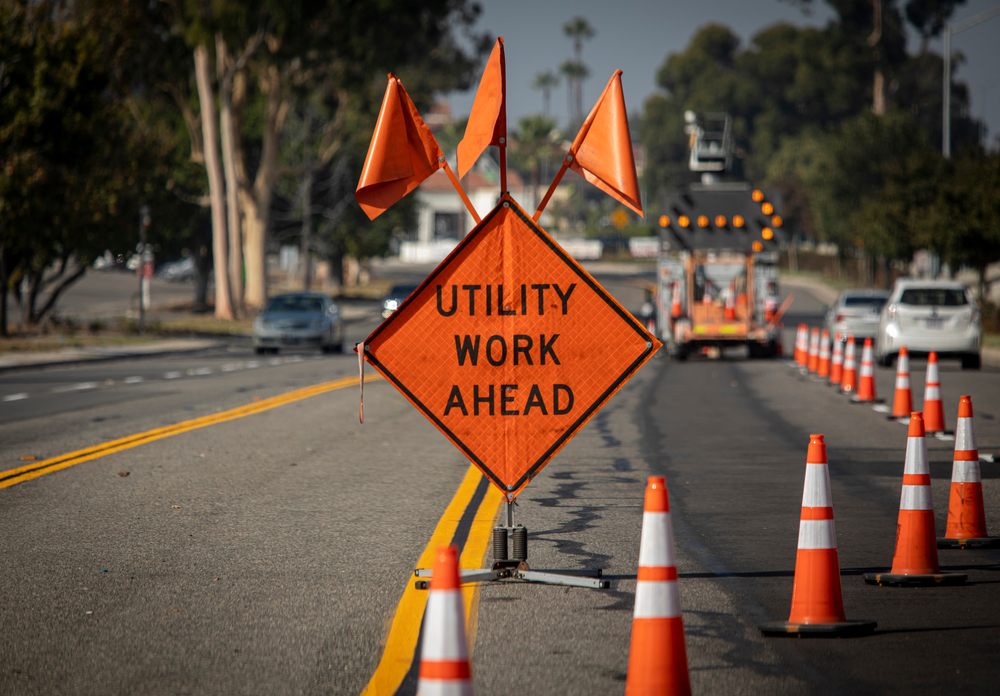
A traffic signals company plays a critical role in how cities manage movement, safety, and daily transportation flow. From small intersections to complex urban road networks, these companies design and support systems that quietly influence how millions of people travel every day. As urban populations grow and traffic patterns become more unpredictable, the importance of reliable traffic signal solutions.
Traffic signal systems are no longer limited to basic timing mechanisms. They are now part of a broader intelligent traffic ecosystem that focuses on efficiency, safety, and long-term urban planning. This shift has changed how traffic signals are designed, deployed, and managed.
The Core Responsibilities of a Traffic Signals Company
At its foundation, a traffic signals company is responsible for developing systems that regulate vehicle and pedestrian movement. This includes signal controllers, signal heads, detection devices, and the software that connects everything together. Each component must function accurately under constant use and varying environmental conditions.
Beyond hardware, these companies are also involved in system planning and integration. Traffic flow analysis, intersection design, and signal timing strategies are essential to reducing congestion and minimizing accident risks. This technical planning ensures signals operate logically within a city’s unique traffic patterns.
Technology and Innovation in Traffic Signal Systems
Modern traffic signal systems rely heavily on data-driven technology. Sensors, cameras, and communication networks collect real-time traffic information that helps optimize signal timing. This allows intersections to respond dynamically instead of relying on fixed schedules that may not match actual traffic demand.
A traffic signals company often works closely with municipal authorities to implement adaptive control systems. These systems adjust signal phases based on traffic volume, time of day, and unexpected events. The result is smoother traffic flow and reduced idle time at intersections.
Traffic Signals Company and Smart City Integration
As cities adopt smart infrastructure, traffic signals are becoming interconnected with other urban systems. Traffic signals can now communicate with public transportation networks, emergency services, and central traffic management centers. This integration improves response times during emergencies and supports more coordinated traffic control.
In some regions, traffic signals also support environmental monitoring goals. Efficient signal timing helps reduce fuel consumption and emissions by minimizing unnecessary stops. This alignment between traffic management and sustainability highlights the expanding role of traffic signal providers in modern cities.
Quality Standards and Global Deployment
Traffic signal systems must meet strict safety and performance standards. A traffic signals company must ensure its products comply with national regulations while also adapting to international requirements for global deployment. This includes durability testing, electrical safety, and long-term reliability.
Because traffic conditions vary widely between regions, flexibility is essential. Systems designed for dense urban areas may differ from those used in highways or suburban environments. Manufacturers and solution providers must account for climate, traffic volume, and local regulations when delivering their systems.
The Future Direction of Traffic Signal Solutions
Looking ahead, traffic signal technology is expected to evolve alongside connected and autonomous vehicles. Vehicle-to-infrastructure communication will allow cars to interact directly with traffic signals, improving safety and reducing delays. Predictive analytics will further enhance traffic flow by anticipating congestion before it occurs.
In conclusion, a traffic signals company is more than a supplier of road equipment. It is a key contributor to safer roads, smarter cities, and more efficient transportation systems. As technology advances, these companies will continue to shape how people move through urban environments in practical and increasingly intelligent ways.