
Australian Parenting in 2026: How Families Are Navigating a Changing World
Mindfulness practice has become a familiar part of Australian life over the past decade, but in recent years it has shifted from being a wellness trend to something far more grounded. People are using mindfulness not just for relaxation, but as a practical tool for managing stress, improving focus and navigating the pressures of modern living. Whether it’s busy parents trying to stay centred, professionals juggling demanding workloads or students learning to regulate their emotions, mindfulness has found a place in homes, workplaces and classrooms across the country.
A growing number of Australians are also seeking structured learning to deepen their understanding of mindfulness. Some explore formal study pathways such as a Postgraduate course in mindfulness (https://www.nantien.edu.au/courses/postgraduate-courses/applied-mindfulness/) to build a more informed and sustainable practice. Others prefer simple, everyday techniques that fit naturally into their routines. No matter the approach, mindfulness is increasingly seen as a skill—something that can be learned, strengthened and adapted to suit different lifestyles.
Contents
- 1 What Mindfulness Practice Really Means
- 2 Why Mindfulness Matters in 2026
- 3 Mindfulness in the Workplace
- 4 Mindfulness for Parents and Families
- 5 Mindfulness and Mental Health
- 6 Building a Sustainable Mindfulness Practice
- 7 Mindfulness in Everyday Activities
- 8 Creativity and Mindfulness
- 9 Mindfulness and Community Connection
- 10 The Future of Mindfulness in Australia
What Mindfulness Practice Really Means
Mindfulness is often described as paying attention to the present moment without judgement. It sounds simple, but in practice it can be surprisingly challenging. Our minds are constantly jumping between tasks, worries, plans and distractions. Mindfulness helps slow that mental noise, allowing us to respond to situations with clarity rather than reacting automatically.
Mindfulness practice can take many forms:
Breathing exercises
Body scans
Guided meditations
Mindful walking
Journalling
Sensory awareness
Mindful eating
The beauty of mindfulness is that it doesn’t require special equipment or long periods of silence. It can be woven into everyday activities—drinking a cup of tea, waiting at a traffic light or taking a short break between meetings.
Why Mindfulness Matters in 2026
Life in Australia is fast‑paced. Many people feel stretched between work, family, finances and personal commitments. Technology has made life more convenient, but it has also increased the pressure to stay constantly connected. Mindfulness offers a counterbalance—a way to pause, reset and reconnect with what matters.
Research continues to show the benefits of mindfulness practice, including:
Reduced stress and anxiety
Improved emotional regulation
Better sleep
Enhanced concentration
Lower blood pressure
Greater resilience
More satisfying relationships
These benefits explain why mindfulness is now used in workplaces, schools, hospitals and community programs. It’s no longer seen as something “alternative”, but as a practical tool for wellbeing.
Mindfulness in the Workplace
Australian workplaces have embraced mindfulness as part of broader wellbeing strategies. Many organisations now offer mindfulness sessions, quiet rooms, guided meditation apps or short breathing exercises during meetings. These practices help employees manage stress, improve focus and maintain a healthier work‑life balance.
Mindfulness also supports better communication. When people are more present, they listen more effectively, respond more thoughtfully and handle conflict with greater calm. This creates a more positive workplace culture and reduces burnout.
Mindfulness for Parents and Families
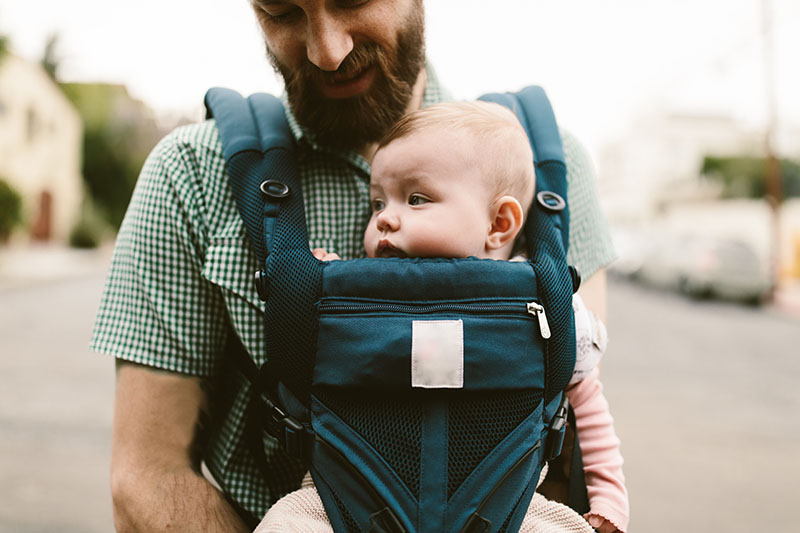
Parents often juggle multiple responsibilities, and mindfulness can be a powerful tool for staying grounded. Mindful parenting encourages adults to slow down, listen actively and respond with patience. It helps create calmer households and teaches children valuable emotional skills.
Families might practise mindfulness together through:
Bedtime breathing routines
Mindful storytelling
Nature walks
Simple gratitude exercises
Short guided meditations
Children who learn mindfulness early often develop stronger emotional awareness, better focus and healthier coping strategies.
Mindfulness and Mental Health
Mindfulness is widely used in mental health settings across Australia. Psychologists, counsellors and therapists often incorporate mindfulness‑based strategies into treatment plans for anxiety, depression, trauma and stress‑related conditions.
Mindfulness doesn’t replace professional support, but it complements it. It helps people recognise unhelpful thought patterns, stay grounded during difficult moments and build resilience over time.
Building a Sustainable Mindfulness Practice
One of the biggest challenges with mindfulness is consistency. Many people start enthusiastically but struggle to maintain the habit. The key is to keep it simple and realistic.
Some helpful strategies include:
Starting with short sessions
Using guided meditations
Practising at the same time each day
Linking mindfulness to existing routines
Being patient with yourself
Mindfulness isn’t about achieving a perfectly calm mind. It’s about noticing what’s happening—thoughts, feelings, sensations—and gently bringing your attention back when it wanders.
Mindfulness in Everyday Activities
Mindfulness doesn’t have to be formal. Some of the most effective practices happen during ordinary moments.
Mindful walking: paying attention to each step, the air, the sounds around you
Mindful eating: noticing flavours, textures and the experience of eating
Mindful conversations: listening fully without planning your response
Mindful chores: turning routine tasks into grounding moments
These small practices help bring awareness into daily life, making mindfulness feel natural rather than forced.
Creativity and Mindfulness
Creativity and mindfulness often go hand in hand. When the mind is calm and focused, creative ideas flow more easily. Many artists, writers and designers use mindfulness to spark inspiration or overcome creative blocks.
Even everyday creative activities—drawing, cooking, gardening—can become mindful experiences. Some people enjoy surrounding themselves with visual elements that inspire calm or creativity, such as Australian contemporary art or even graphic design t-shirts (https://84cartel.com/) that reflect personal style. These small touches can help create an environment that supports mindfulness and self‑expression.
Mindfulness and Community Connection
Mindfulness isn’t just an individual practice. Many Australians enjoy group meditation sessions, community classes or mindfulness retreats. Practising with others creates a sense of connection and accountability.
Community‑based mindfulness programs are also becoming more common in schools, libraries, neighbourhood centres and workplaces. These programs make mindfulness accessible to people who may not have explored it otherwise.
The Future of Mindfulness in Australia
As mindfulness becomes more integrated into daily life, we’re likely to see:
More school‑based mindfulness programs
Greater use of mindfulness in healthcare
Workplaces adopting structured mindfulness training
Growth in mindfulness‑based education and qualifications
More digital tools and apps tailored to Australian users
But the heart of mindfulness will remain the same: paying attention, being present and approaching life with curiosity rather than judgement.
Mindfulness practice isn’t about perfection. It’s about learning to pause, breathe and reconnect with yourself in a world that constantly pulls your attention in different directions. For many Australians, that simple shift has made all the difference.