Top 10 Preschool In India Rankings and Admission Guide 2025
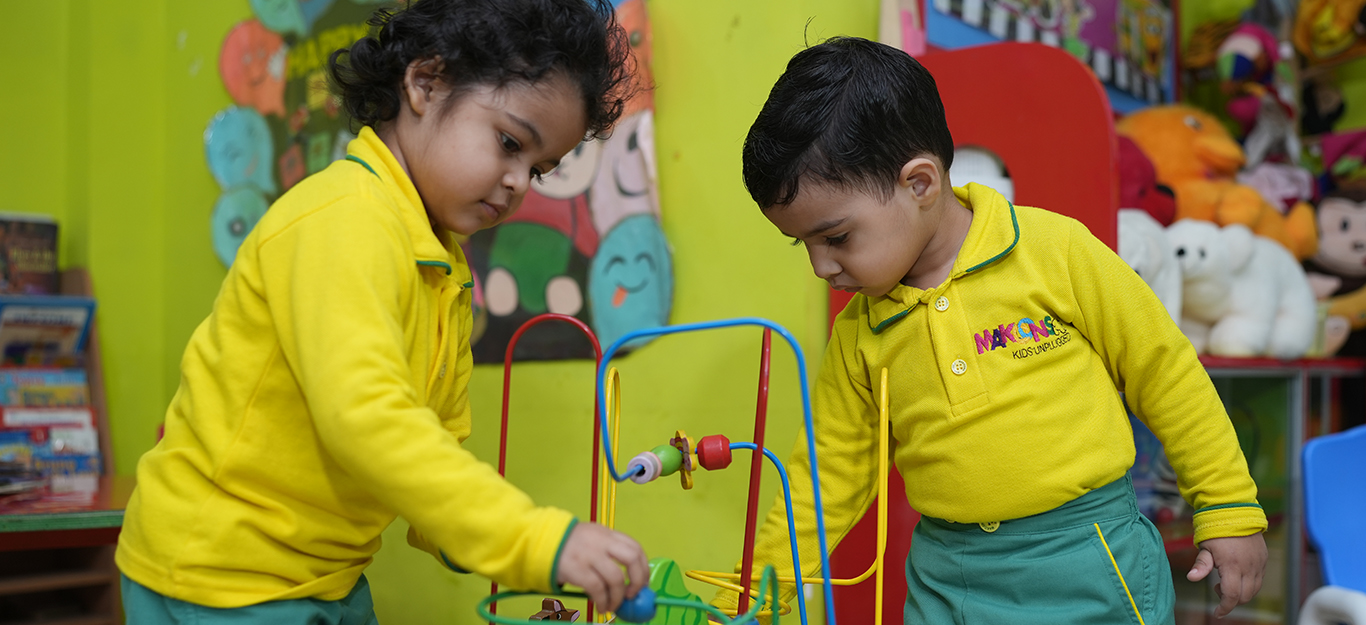
Choosing the right preschool in India is essential for building a strong foundation in early childhood education. The top 10 preschool in India are recognized for their balance of play-based learning and structured academics, skilled teachers, and safe, nurturing environments that promote holistic development.
These preschools offer diverse teaching approaches, including Montessori and playway methods, catering to varied learning styles. The best preschools combine creative teaching with a focus on cognitive, social, and emotional growth, ensuring children are well-prepared for future academic success.
Parents looking for quality early education can rely on this list to find institutions that prioritize safety, skilled faculty, and well-rounded curricula tailored to support young learners effectively.
Top 10 Preschools in India
The best preschools in India combine carefully chosen teaching methods, experienced faculty, and safe, engaging environments. The list highlights schools excelling in these areas, supported by clear ranking criteria and unique programs tailored for early childhood development.
Criteria for Ranking Preschools
Ranking preschools involves assessing multiple factors central to child growth and learning. Key criteria include curriculum quality, ensuring a balance between academic foundation and play-based methods such as Montessori or playway.
Other important factors are faculty experience and teacher-student ratios, which affect personalized attention. Infrastructure and safety are critical, focusing on child-friendly spaces and secure premises.
Parental involvement levels and school communication channels are also evaluated. Schools with transparent progress tracking and active parent engagement score higher. Finally, innovative teaching tools and flexibility to adapt to diverse learning styles further influence rankings.
List of Top-Ranked Preschools
India’s leading preschools reflect these rigorous standards. The top 10 typically include:
- Makoons Preschool – Known for holistic play-based learning.
- Wonder Kidz – Balanced academics with creative activities.
- Kidzee – Large chain emphasizing child-centric pedagogy.
- EuroKids – Focus on nurturing independence and social skills.
- Bachpan Play School – Combines traditional and modern methods.
- The Tree House – Strong emphasis on safety and hygiene.
- Podar Jumbo Kids – Curriculum blends academic and extracurricular.
- LA Montessori – Authentic Montessori approach.
- Little Millennium – Focus on early cognitive and motor skill development.
- Kangaroo Kids – Incorporates technology-supported learning.
Each institution tailors programs to different needs while maintaining a safe, supportive atmosphere.
Unique Features of Leading Preschools
Preschools that top the rankings distinguish themselves through specialized offerings. Many incorporate play-based learning models customized to children’s interests and developmental stages.
They often provide enriched environments including sensory play areas, libraries, and outdoor learning spaces. Teacher training includes continuous upskilling in child psychology and pedagogy.
Some offer parent workshops and active parental participation in school activities, fostering a partnership in education. Technological integration such as digital progress reports and interactive learning apps is common.
Extra emphasis on emotional and social skills development is visible, preparing children for confident future learning experiences. This holistic focus aligns with modern early childhood education benchmarks.
Choosing the Best Preschool
Selecting the right preschool involves many specific considerations, from the teaching style to the physical environment. Parents must evaluate several factors to ensure the school supports the child’s overall growth and safety.
Key Factors for Parents
Parents should focus on experienced and qualified teachers who understand early childhood development. Safety protocols and a clean, secure campus are essential to protect children during their learning hours.
Parental involvement opportunities help create a strong home-school connection, benefiting the child’s progress. Reviews and recommendations from other parents provide practical insights into a preschool’s effectiveness.
Transparency in communication and access to progress reports also matter, as they keep parents informed and engaged. A preschool located conveniently with flexible hours can ease daily routines and reduce stress.
Curriculum and Teaching Methods
The curriculum should balance structured learning with play to foster social, emotional, and cognitive skills. Leading preschools often use Montessori, Playway, or Reggio Emilia approaches, each emphasizing different aspects of child development.
A mix of sensory activities, storytelling, and interactive play helps children explore and understand their environment actively. Incorporating early literacy and numeracy prepares children for formal schooling without pressuring them.
Curriculum flexibility to adapt to each child’s pace of learning is an important feature. Regular assessments guide teachers in personalizing instruction to meet diverse needs.
Importance of Infrastructure
Well-maintained classrooms with age-appropriate furniture and learning materials create a comfortable learning atmosphere. Outdoor play areas with safe equipment encourage physical development and social interaction.
Clean restrooms, good ventilation, and proper lighting contribute to a healthy environment, reducing the risk of illness. Infrastructure also includes safety features like CCTV surveillance, secure entry/exit points, and staff trained in emergency response.
Availability of resources such as libraries, art corners, and music rooms enriches the learning experience. The overall design of the school should support ease of movement and accessibility for all children.