Smart Strategies Driving Seamless Execution in Modern Construction Projects
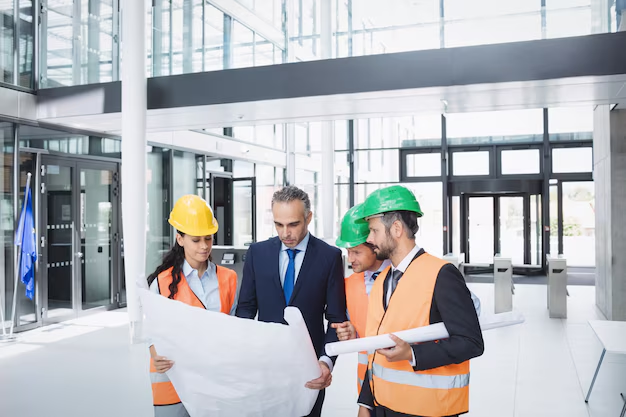
In today’s dynamic construction and infrastructure landscape, delivering projects successfully requires more than just planning and resources. It demands coordination, expertise, and a structured approach to execution. This is where project management contractors play a vital role in ensuring that every phase of a project is handled with precision and efficiency. From initial planning to final delivery, their involvement ensures that processes remain aligned and outcomes meet expectations.
As projects become more complex and expectations continue to rise, organisations like Facility Network are helping businesses streamline operations and enhance execution through integrated project strategies. Their focus on collaboration and efficiency is shaping the future of how projects are managed and delivered.
The Evolving Role of Project Leadership
Modern construction projects involve multiple stakeholders, advanced technologies, and strict compliance requirements. The role of contractors managing projects has evolved to meet these demands with a more strategic and holistic approach.
Key responsibilities include:
- Coordinating between various teams and stakeholders
- Managing timelines and deliverables
- Ensuring compliance with regulations and standards
- Overseeing quality control at every stage
- Identifying and mitigating potential risks
This expanded role ensures that projects move forward smoothly while maintaining consistency and quality.
Importance of Structured Planning
Every successful project begins with a clear and well defined plan. Structured planning lays the foundation for efficient execution and helps avoid unnecessary disruptions.
Elements of effective planning include:
- Defining project scope and objectives
- Establishing clear workflows and processes
- Allocating resources efficiently
- Setting realistic milestones
- Identifying potential challenges early
A strong planning phase ensures that all stakeholders are aligned and prepared for the tasks ahead.
Enhancing Collaboration Across Teams
Collaboration is a critical factor in modern project execution. With multiple teams working together, effective communication and coordination are essential for success.
Ways to improve collaboration:
- Using centralised communication platforms
- Conducting regular progress updates
- Encouraging transparency in operations
- Aligning goals across departments
- Promoting a culture of teamwork
Strong collaboration reduces misunderstandings and ensures that everyone is working towards a common objective.
Leveraging Technology for Better Outcomes
Technology has transformed the way projects are managed and executed. Digital tools provide greater visibility, efficiency, and control over every aspect of a project.
Key technological tools include:
- Project management software for tracking progress
- Building information modelling for detailed planning
- Cloud based platforms for data sharing
- Mobile applications for on site coordination
- Analytics tools for performance monitoring
These innovations help teams stay informed, make better decisions, and maintain efficiency throughout the project lifecycle.
Risk Management and Problem Solving
Every project comes with its own set of challenges. Effective risk management ensures that potential issues are identified and addressed before they escalate.
Key risk management practices:
- Conducting thorough risk assessments
- Developing contingency plans
- Monitoring project progress closely
- Addressing issues promptly
- Maintaining clear documentation
Proactive problem solving helps minimise disruptions and keeps projects on track.
Quality Assurance and Control
Maintaining high standards of quality is essential in any construction or infrastructure project. Consistent quality ensures durability, safety, and satisfaction.
Quality assurance measures include:
- Regular inspections at different stages
- Adherence to industry standards
- Use of high quality materials
- Continuous monitoring of work processes
- Immediate correction of identified issues
A strong focus on quality enhances the overall success and reliability of the project.
Sustainability in Modern Projects
Sustainability has become a key focus in the construction industry. Integrating eco friendly practices into project execution helps reduce environmental impact and supports long term goals.
Sustainable practices include:
- Using energy efficient materials and systems
- Minimising waste during construction
- Implementing resource optimisation strategies
- Reducing environmental impact through planning
- Promoting green building standards
These practices contribute to a more responsible and future ready approach to project execution.
Importance of Skilled Professionals
The success of any project depends on the expertise of the people involved. Skilled professionals bring knowledge, experience, and efficiency to every stage of execution.
Key qualities of effective professionals:
- Strong technical knowledge
- Problem solving abilities
- Attention to detail
- Effective communication skills
- Adaptability to changing conditions
Investing in skilled teams ensures that projects are handled with precision and professionalism.
Time Management and Efficiency
Efficient time management is crucial for the successful completion of projects. Delays can impact multiple aspects of a project, making it important to maintain a structured approach.
Strategies for better time management:
- Setting clear priorities
- Monitoring progress regularly
- Addressing delays promptly
- Streamlining workflows
- Using technology for scheduling
A well managed timeline ensures smooth execution and timely delivery.
Communication as a Key Success Factor
Clear communication is essential for maintaining alignment among all stakeholders. It ensures that information flows smoothly and decisions are made effectively.
Key aspects of effective communication:
- Providing regular updates
- Sharing clear instructions and expectations
- Encouraging feedback from teams
- Maintaining transparency in processes
- Resolving conflicts quickly
Strong communication builds trust and improves overall project performance.
Adapting to Changing Industry Trends
The construction and infrastructure industry is constantly evolving. Staying updated with the latest trends helps organisations remain competitive and efficient.
Emerging trends include:
- Increased use of automation and robotics
- Adoption of smart building technologies
- Integration of digital project management tools
- Focus on sustainability and energy efficiency
- Use of advanced data analytics
Adapting to these trends ensures that projects are executed using the most effective and modern methods.
Building Long Term Value Through Effective Execution
Successful project execution is not just about completing tasks but about creating lasting value. A well executed project contributes to long term performance and satisfaction.
Benefits of effective execution:
- Improved durability and reliability
- Enhanced user experience
- Stronger reputation for stakeholders
- Better return on investment
- Increased operational efficiency
Focusing on long term value ensures that projects continue to deliver benefits well beyond completion.
Creating a Future Ready Approach
Preparing for the future requires a forward thinking mindset. By embracing innovation and continuous improvement, organisations can stay ahead in a competitive environment.
Steps to build a future ready approach:
- Investing in advanced technologies
- Training teams for new challenges
- Implementing flexible processes
- Encouraging innovation and creativity
- Monitoring industry developments
A future ready strategy ensures resilience and adaptability in a changing landscape.
The Human Element in Project Success
While systems and tools play a significant role, human expertise remains at the heart of successful project execution. Collaboration, leadership, and accountability drive results.
Important human factors include:
- Strong leadership and guidance
- Effective teamwork and coordination
- Accountability for responsibilities
- Commitment to excellence
- Continuous learning and improvement
Balancing technology with human skills creates a more efficient and reliable project environment.
Conclusion
Modern project execution requires a combination of strategy, technology, and expertise. By focusing on structured planning, collaboration, and innovation, organisations can achieve seamless outcomes and long term success. The role of project management contractors continues to evolve, making them an essential part of delivering complex projects efficiently.
With the support of experienced providers like Facility Network, businesses can enhance their project strategies and achieve better results through integrated solutions. If you are looking to streamline your operations and improve project outcomes, contact us today to discover how expert guidance can help you achieve your goals with confidence.