Transforming Workspaces into Inspiring Hubs for Modern Productivity
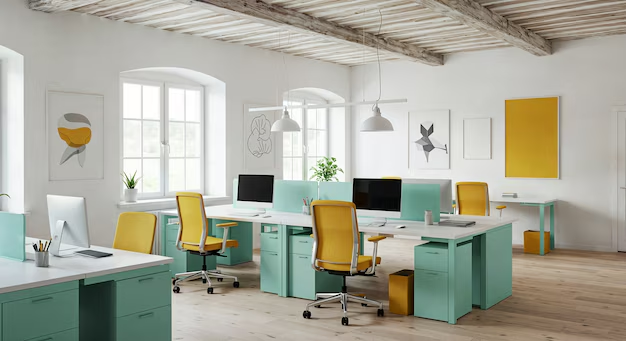
The modern workplace is no longer just a place where tasks are completed. It has evolved into an environment that shapes creativity, collaboration, and overall employee wellbeing. As businesses continue to adapt to changing work cultures, the demand for office refurbishment has grown significantly. Companies are now recognising the importance of creating spaces that not only look appealing but also support productivity and innovation.
With a deep understanding of contemporary workplace needs, Ardant Group brings expertise in transforming offices into dynamic and functional environments. A well designed workspace reflects the values of an organisation while providing employees with a setting that encourages efficiency and engagement. The shift towards more thoughtful and personalised office environments highlights the importance of strategic design and planning.
The Changing Nature of Workspaces
Workspaces have undergone a major transformation in recent years. Traditional layouts with rigid structures are being replaced by flexible and open environments that encourage interaction and creativity. Businesses are focusing on creating spaces that adapt to different work styles and team dynamics.
The modern office is designed to support both individual focus and collaborative efforts. This balance ensures that employees can work efficiently while also engaging with colleagues in meaningful ways.
Single liner highlights:
- Flexible layouts support diverse work styles
- Collaborative zones encourage team interaction
- Adaptable spaces enhance overall productivity
The Importance of Thoughtful Design
Design plays a crucial role in shaping the functionality and atmosphere of a workspace. A well planned office layout improves workflow, reduces distractions, and enhances employee satisfaction. Every element, from furniture placement to lighting, contributes to the overall experience.
Thoughtful design ensures that spaces are not only visually appealing but also practical. It allows businesses to make the most of their environment while creating a positive impression on employees and visitors alike.
Key design considerations include:
- Efficient space planning for smooth workflow
- Strategic placement of workstations and meeting areas
- Balanced use of open and private spaces
Enhancing Employee Wellbeing
Employee wellbeing has become a central focus in workplace design. A comfortable and supportive environment can significantly impact productivity, morale, and overall job satisfaction. Businesses are increasingly investing in features that promote health and wellbeing.
Natural light, ergonomic furniture, and calming design elements contribute to a healthier workspace. These features help reduce stress and create a more enjoyable work environment.
Wellbeing focused elements include:
- Access to natural light and fresh air
- Ergonomic seating and workstations
- Relaxation areas for breaks and downtime
Integrating Technology into the Workplace
Technology is a key component of modern offices. It enhances communication, streamlines processes, and supports efficient work practices. Integrating technology into office design ensures that businesses remain competitive and adaptable.
Smart systems allow for better control of lighting, temperature, and security. Digital collaboration tools also make it easier for teams to work together, regardless of their location.
Technology driven features include:
- Smart lighting and climate control systems
- Advanced communication and collaboration tools
- Integrated digital infrastructure for seamless operations
Creating Spaces for Collaboration
Collaboration is essential for innovation and growth. Modern offices are designed to encourage interaction and teamwork through dedicated collaborative spaces. These areas provide employees with the opportunity to share ideas and work together effectively.
From open meeting zones to informal breakout areas, collaborative spaces are designed to be flexible and inviting. They foster creativity and help build stronger team relationships.
Collaborative design features include:
- Open meeting areas for group discussions
- Informal spaces for spontaneous interactions
- Flexible seating arrangements for teamwork
The Role of Aesthetics in Workplace Design
Aesthetics play a significant role in creating an engaging and inspiring work environment. Colours, textures, and decor elements influence mood and productivity. A visually appealing office can boost morale and leave a lasting impression on clients and visitors.
Modern design trends focus on simplicity and elegance. Neutral tones, natural materials, and clean lines create a sophisticated and welcoming atmosphere.
Aesthetic elements include:
- Harmonious colour schemes that enhance mood
- Use of natural materials for a warm feel
- Minimalist design for a clean and organised look
Maximising Space Efficiency
Efficient use of space is essential in any office environment. Smart design solutions ensure that every area serves a purpose without feeling overcrowded. This approach helps businesses optimise their workspace while maintaining comfort and functionality.
Innovative storage solutions and multi functional furniture play a key role in achieving this balance. These elements allow for better organisation and improved workflow.
Space efficiency strategies include:
- Multi use furniture for flexibility
- Built in storage solutions to reduce clutter
- Open layouts that improve movement and accessibility
Sustainability in Office Design
Sustainability has become an important consideration in modern workplace design. Businesses are increasingly adopting eco friendly practices to reduce their environmental impact. Sustainable design not only benefits the environment but also creates a healthier workspace.
Energy efficient systems, sustainable materials, and waste reduction strategies are commonly incorporated into office design. These practices contribute to long term sustainability and responsible business operations.
Sustainable design practices include:
- Use of eco friendly materials
- Energy efficient lighting and equipment
- Designs that maximise natural resources
Adapting to Hybrid Work Models
The rise of hybrid work models has changed the way offices are used. Employees now split their time between remote and in office work, requiring spaces that are flexible and adaptable. Offices must accommodate varying levels of occupancy and different work styles.
Designing for hybrid work involves creating versatile spaces that can easily transition between different functions. This ensures that the office remains relevant and effective in a changing work environment.
Hybrid work design features include:
- Flexible workstations for shared use
- Spaces that support both virtual and in person meetings
- Adaptable layouts that respond to changing needs
The Importance of Brand Identity
An office is a reflection of a company’s identity and values. Thoughtful design can communicate a brand’s message and create a strong impression on clients and employees. Incorporating brand elements into the design helps create a cohesive and recognisable environment.
From colour schemes to design motifs, every detail can contribute to reinforcing the brand identity. This creates a sense of pride and belonging among employees.
Brand focused design elements include:
- Use of brand colours and visual elements
- Incorporation of company values into design
- Consistent design language throughout the space
Attention to Detail and Craftsmanship
High quality craftsmanship is essential in creating a refined and durable workspace. Attention to detail ensures that every element is executed to the highest standard. This level of precision enhances both the functionality and aesthetics of the office.
Skilled craftsmanship brings design concepts to life, resulting in a workspace that is both practical and visually appealing.
Craftsmanship highlights include:
- Precision in installation and finishing
- Use of high quality materials
- Consistency in design execution
The Future of Workplace Design
The future of workplace design is centred around innovation, flexibility, and employee experience. As businesses continue to evolve, offices will become more dynamic and responsive to changing needs. The focus will remain on creating environments that support productivity and wellbeing.
Emerging trends include the integration of advanced technologies, sustainable practices, and personalised design solutions. These elements will shape the workplaces of tomorrow.
Future trends include:
- Greater use of smart technologies
- Increased focus on employee wellbeing
- More adaptable and flexible work environments
Conclusion
The transformation of office spaces reflects a broader shift in how businesses approach work and productivity. A well designed workspace has the power to inspire, engage, and support employees while enhancing overall efficiency.
With a commitment to excellence and innovation, Ardant Group continues to deliver workspaces that align with modern business needs. If you are ready to elevate your office environment and create a space that truly supports your team, contact us today to begin your journey towards a more dynamic and thoughtfully designed workplace.